Peptonic Peptides for Advanced Performance Goals
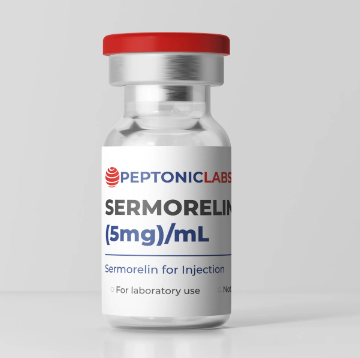
Athletes and health-conscious individuals are increasingly turning to peptides to achieve ambitious performance goals. These powerful compounds, which are short chains of amino acids, act as signaling molecules in the body, influencing a wide range of biological functions. For those looking to enhance recovery, build lean muscle, and improve overall vitality, understanding how peptonic peptides work is key.
This guide answers common questions about Peptonic peptides and how they can support advanced performance.
About Performance Peptides
What are peptides and how do they work?
Peptides are naturally occurring biological molecules. They are smaller versions of proteins, made up of short chains of amino acids. In the body, they function as signaling agents, instructing cells and molecules on what to do. For example, some peptides can signal the body to accelerate tissue repair, while others can stimulate the release of growth hormone.
Recent studies highlight the growing interest in peptide therapy, with the global peptide therapeutics market projected to grow significantly. This growth reflects the increasing recognition of their potential in both medicine and performance enhancement.
How can peptides support muscle growth and fat loss?
Certain peptides, known as Growth Hormone Secretagogues (GHS), are specifically designed to stimulate the body’s natural production of growth hormone (GH). Increased GH levels can lead to several benefits for athletes:
Muscle Growth: Growth hormone plays a crucial role in stimulating muscle protein synthesis.
Fat Loss: It also promotes the breakdown of fat cells (lipolysis), helping individuals achieve a leaner physique.
Muscle Preservation: During calorie-restricted diets, these peptides can help preserve lean muscle mass, ensuring that weight loss comes from fat stores.
Research indicates that peptides like Ipamorelin and Sermorelin are effective in elevating growth hormone levels, supporting these performance-related outcomes.
Can peptides help with recovery and injury prevention?
Absolutely. Recovery is just as important as training, and this is where peptides truly shine. Body Protective Compounds (BPCs) and other regenerative peptides are known for their healing properties. For instance, a 2019 study showed that certain peptides significantly accelerate the healing of soft tissue injuries, such as muscle tears and ligament sprains.
Peptides like BPC-157 and TB-500 are widely researched for their ability to:
Promote the formation of new blood vessels (angiogenesis).
Reduce inflammation at the site of injury.
Support the regeneration of muscle, tendon, and ligament tissues.
This makes Peptonic peptides a valuable tool for athletes looking to minimize downtime and prevent recurring injuries.
Are performance peptides safe?
When sourced from a reliable supplier, high-quality, lab-tested peptides are designed to work with the body’s natural processes. At PeptonicLabs, we prioritize transparency and quality. All our products are sourced from reputable manufacturers to ensure purity, potency, and safety. It is crucial for users to follow dosage guidelines and consult with a professional to ensure responsible use.
Your Partner in Performance
Integrating peptides into a well-structured training and nutrition plan can provide a significant edge. Whether you are aiming to accelerate recovery, enhance muscle development, or improve your overall vitality, Peptonic peptides offer a scientifically-backed solution. Explore our curated selection at PeptonicLabs to find the high-quality compounds you need to confidently achieve your goals.